
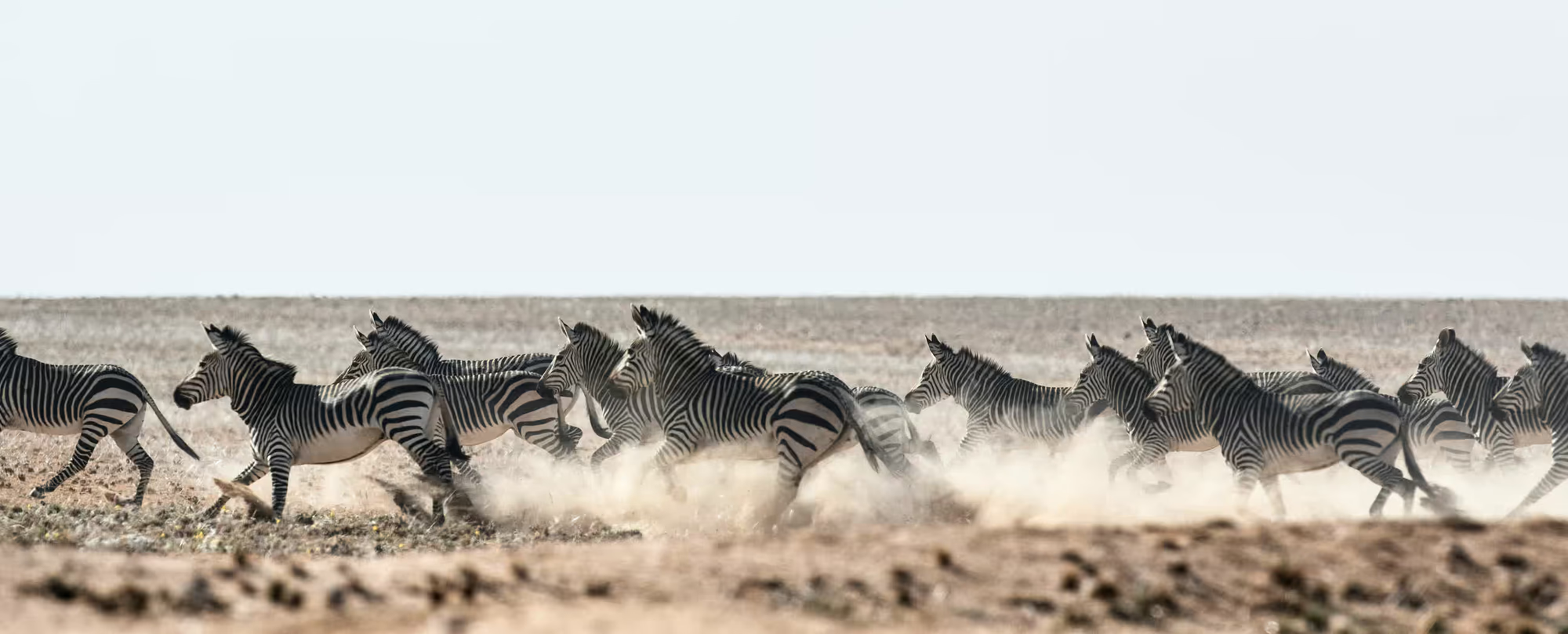
Experience Nxai Pan National Park
Nxai Pan National Park lies immediately north of the
Makgadikgadi Pans, sharing the same ancient lake basin geology but offering a
distinctly different wildlife experience. The park centres on Nxai Pan itself —
a large, grassy fossil pan ringed by acacia and mopane woodland — along with a
network of smaller pans including Kgama-Kgama Pan and South Pan.
During the dry season the pans appear sparse and quiet. But
when the rains arrive (November to April), the transformation is dramatic: the
grasslands turn vivid green, and the park hosts one of Botswana's most
spectacular wildlife concentrations. Thousands of springbok give birth on the
open pans — one of southern Africa's most abundant ungulate calving events —
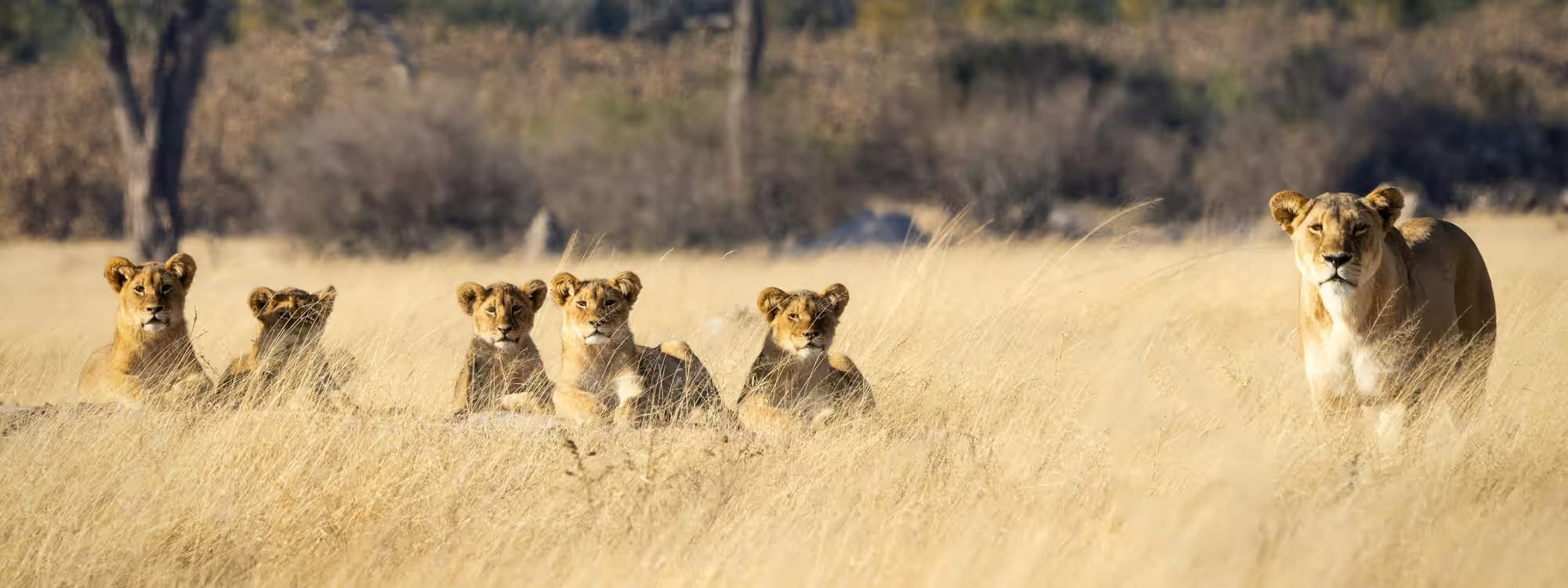
attracting lions, cheetahs, leopards, and spotted hyenas in pursuit of easy
prey.
Nxai Pan is one of the best parks in Botswana for cheetah
sightings. The open, flat terrain gives these elegant cats an ideal environment
for high-speed hunting, and several cheetahs are regularly spotted on the pans.
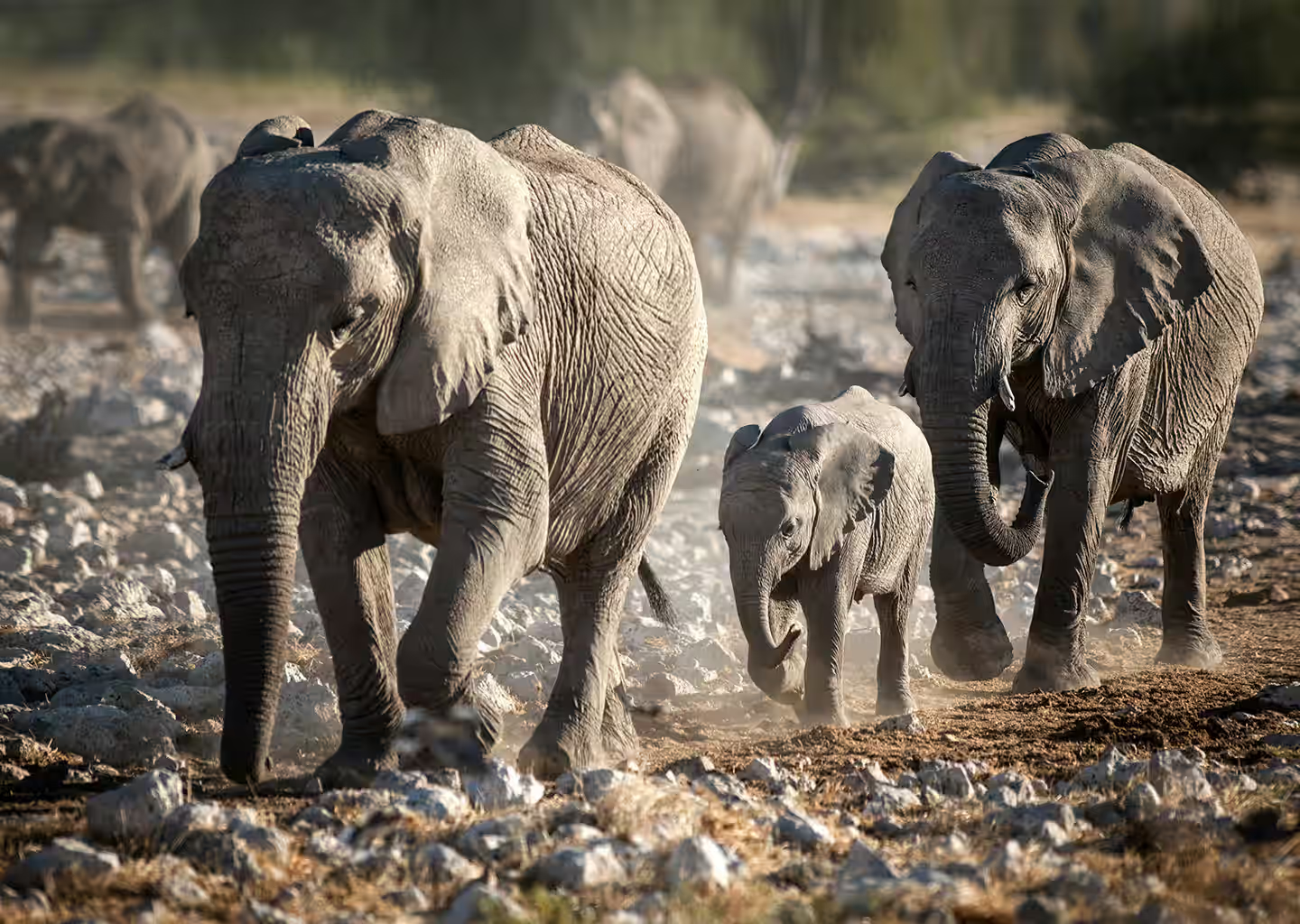
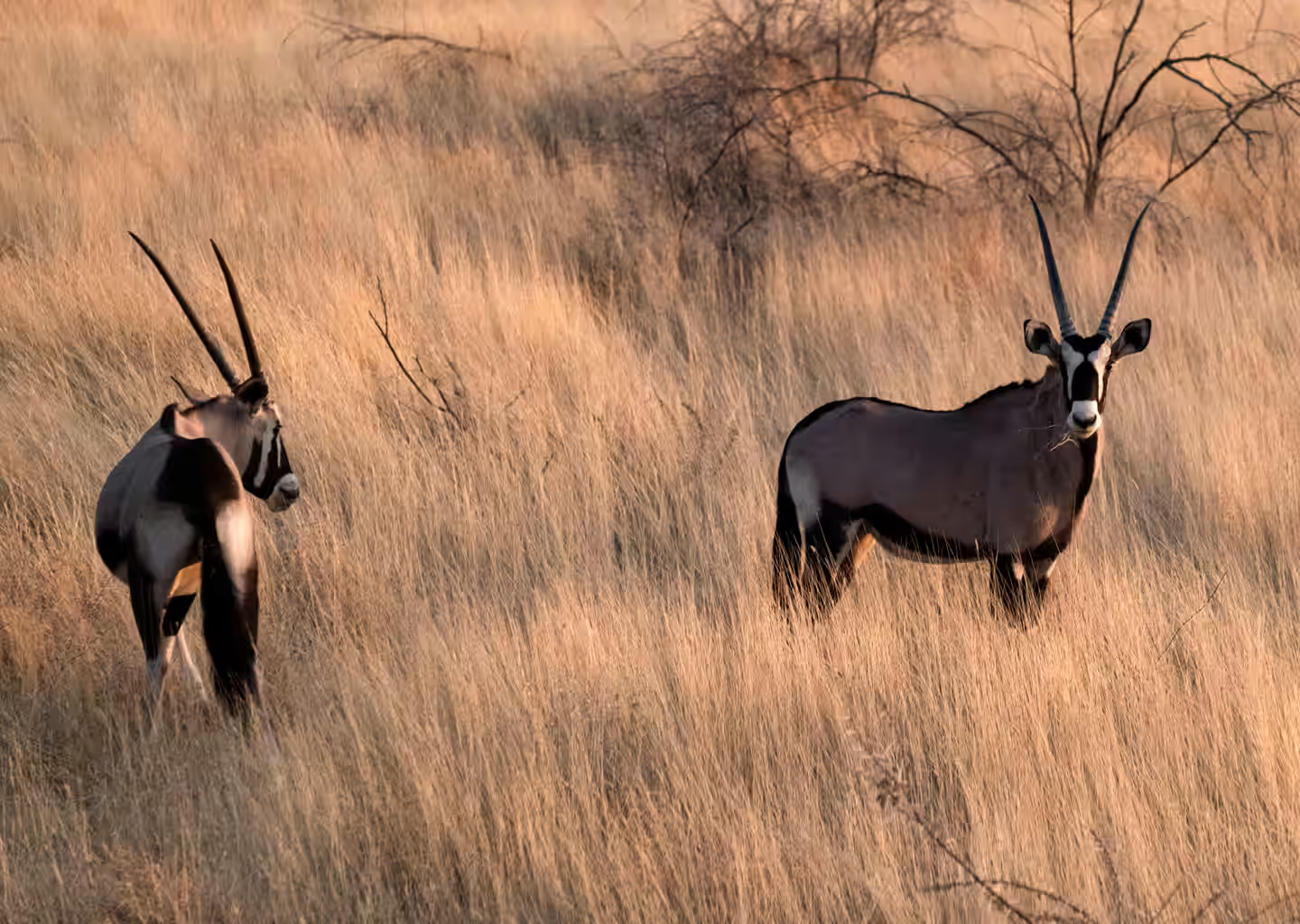
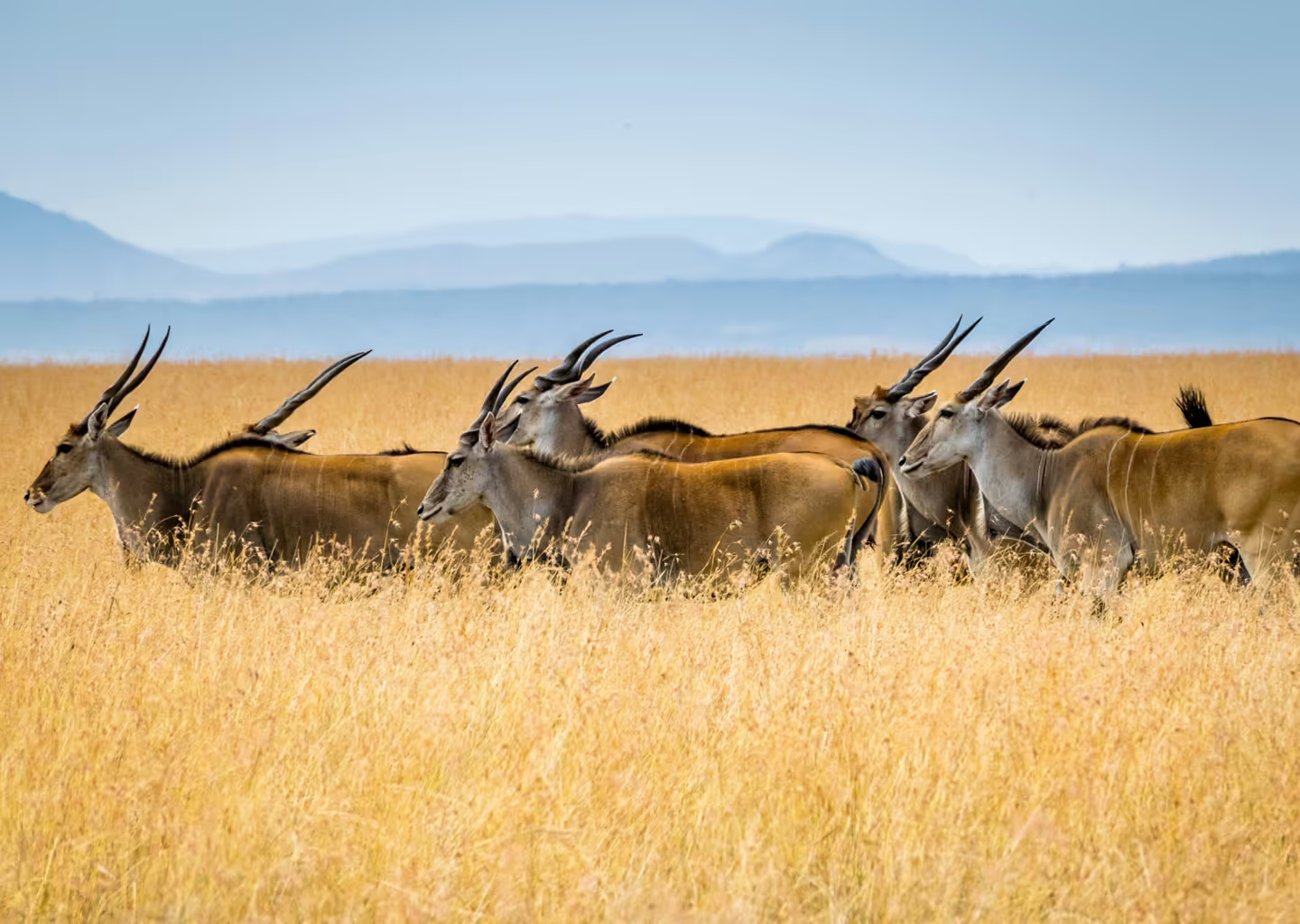
The park also supports healthy populations of giraffe, elephant, gemsbok, and
eland, as well as bat-eared foxes and the secretive brown hyena.
The park's most celebrated landmark is Baines' Baobabs — a
cluster of seven ancient baobab trees, some estimated to be over 4,000 years
old, painted by the explorer Thomas Baines in 1862. These iconic trees remain
virtually unchanged from Baines' original paintings, offering one of Africa's
most historically evocative landscape photography subjects. The site is only
accessible with a 4WD.
Explore on Map
Iconic Highlights
• Spectacular springbok calving season attracting predators to the open pans
• Excellent cheetah sightings on the flat, open grasslands
• Baines' Baobabs — ancient trees painted by explorer Thomas Baines in 1862
• Large herds of giraffe, elephant, and gemsbok year-round
• Summer wildlife bonanza with massive ungulate concentrations
• Uncrowded, intimate safari experience in a pristine wilderness setting
Wildlife & Nature
Lion
Leopard
Cheetah
Giraffe
Zebra
Wildebeest
Photo Gallery
Climate & When to Visit
Best Time to Visit
Monthly Averages
| Month | Temp High | Temp Low | Rainfall |
|---|---|---|---|
| Apr | 28°C | --°C | -- mm |
| Aug | 23°C | --°C | -- mm |
| Dec | 33°C | --°C | -- mm |
| Feb | 34°C | --°C | -- mm |
| Jan | 33°C | --°C | -- mm |
| Jul | 19°C | --°C | -- mm |
| Jun | 20°C | --°C | -- mm |
| Mar | 31°C | --°C | -- mm |
| May | 24°C | --°C | -- mm |
| Nov | 34°C | --°C | -- mm |
| Oct | 33°C | --°C | -- mm |
| Sep | 29°C | --°C | -- mm |
Travel Requirements
- Valid passport with at
least 6 months validity beyond travel dates
- Visa-free entry for most
nationalities; check requirements for your country
- Yellow fever vaccination
certificate required if travelling from endemic countries
- Park entry fees payable in
USD or Botswana Pula at park gates
5. Valid passport with at least 6 months validity
6. Park entry fees required — payable at South
Gate or North Gate
7. 4WD vehicle essential for self-drive; roads
flood during the wet season
8. Booking permits required for camping at
Third Bridge and Xakanaxa
- Valid passport with
minimum 6 months validity beyond travel dates
- Travel insurance strongly
recommended; medevac cover essential for remote camps